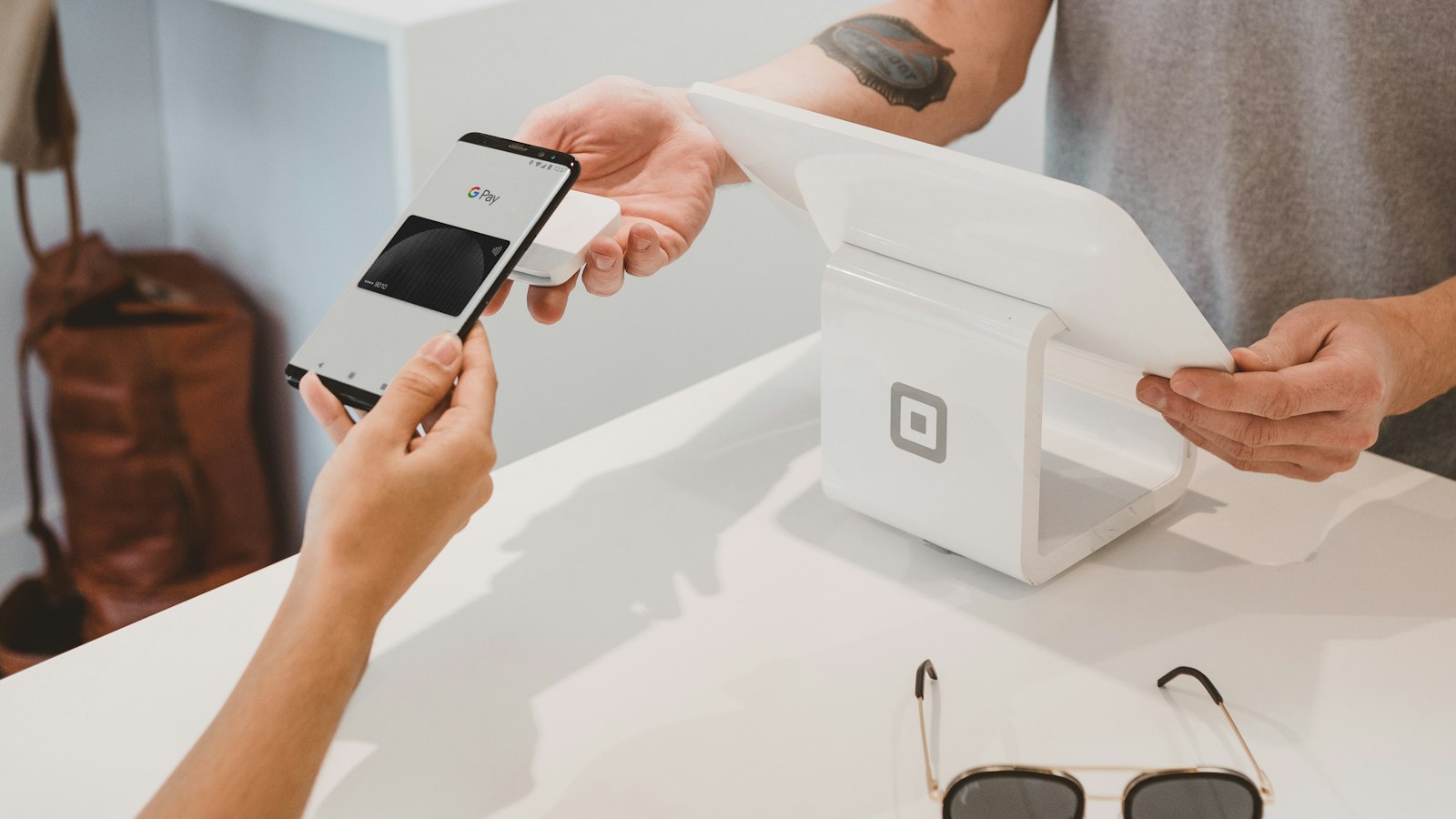
The hard problem is the counter, not the app store
On 18 September 2026, Disrupt Africa reported that Egypt-founded fintech Zeal raised $10 million (total funding ~$14 million after a 2024 seed). Zeal’s own press page (7 September) says the round was led by an undisclosed family office with Raed Ventures, Cur8 Capital, and Pinnacle Capital, to activate a signed pipeline of ~4 million payment terminals with loyalty, customer identification, and analytics — without forcing merchants to rip out existing POS hardware. Engineering sits in Cairo; HQ in London; live partners across UK/Europe, MENA, and LatAm.
For mobile and payments engineers in the region, Zeal is a reminder: distribution lives in acquirer and terminal estates, and product craft means plugins that respect fragmented counter infrastructure. App-store vanity metrics do not unlock the next million terminals; acquirer relationships and soft overlays do.
Brownfield POS as a product strategy
Replacing hardware at scale is a fantasy for most SME merchants. Staff already know the current terminal; receipts, tips, and settlement habits are muscle memory. Loyalty and identification layers that ride on existing SmartPOS estates win because they reduce change management — the same reason banks prefer SDK embeds over “download our new app” campaigns.
Identity at payment is powerful and sensitive. Recognising a returning customer can unlock rewards and faster checkout, but only with opt-in consent, clear Arabic/English disclosures, and merchant-controllable retention. Dual-audience UX matters: consumer moments at the counter and operator dashboards for acquirers and ISOs who live or die by estate churn.
Builder priorities this quarter
- Design for brownfield POS. Prefer plugins and soft overlays over “replace everything” hardware pitches. Measure activation by terminal, not by vanity app downloads.
- Make identity at payment opt-in and clear. Arabic/English consent, data minimisation, and merchant-controllable retention are non-negotiable.
- Partner UX beats lone-app UX. Acquirers and ISOs need estate dashboards and churn tools. Ship operator surfaces alongside consumer moments.
- Instrument terminal-level activation. Track first loyalty event, consent granted, and weekly active terminals — not installs.
- Plan offline-first behaviour. Counters lose connectivity; queue loyalty events safely and reconcile without double-charging rewards.
MENA engineering checklist
- Plugin SDK with bilingual merchant onboarding screens
- Consent receipts printable or SMS-backed in Arabic and English
- ISO/acquirer dashboards for estate health and churn
- Latency budgets for identify-at-tap under busy peak hours
- Sandbox that mirrors fragmented terminal firmware variants
- Incident playbooks for mis-tagged loyalty or privacy complaints
iFynx takeaway
Offline payments become product when every tap can start a trusted relationship. Build the rails on hardware merchants already trust — then earn the right to use the data. iFynx’s dual-audience pattern (consumer moment + operator console) is the default we apply to retail and payments engagements across Egypt and the Gulf.
Estate economics beat consumer vanity metrics
A loyalty plugin that activates on 50,000 terminals with weekly repeat taps outperforms a beautiful consumer app with 500,000 downloads and no merchant habit. Align OKRs to terminal-level events: consent granted, first reward issued, 30-day repeat identification. Those metrics force engineering to care about firmware quirks and offline queues.
Acquirer partners need tools to pause a misbehaving merchant, export consent logs for regulators, and see churn by terminal model. Shipping those operator surfaces early is how Egypt-founded teams like Zeal turn a Cairo engineering base into global distribution without replacing every counter device.
Privacy complaints will arrive; design the apology and remediation flow before the first campaign. Merchants should be able to wipe identification data for a customer in one bilingual path without calling engineering.
Plugin quality bar for fragmented firmware
SmartPOS estates in Egypt, the Gulf, and LatAm rarely share one firmware. Your plugin must degrade gracefully: if identification fails, checkout still completes; if loyalty cannot sync, queue locally and reconcile idempotently. Write contract tests against the ugliest terminal variants in your partner sandbox — not only the demo unit in the sales video.
Analytics for merchants should answer one question fast: which offers lifted repeat visits without increasing refund disputes? Vanity heatmaps that ignore dispute rates will push harmful campaigns. Ship dispute-aware offering tools as part of the same estate dashboard.
Related reading
- UAE e-invoicing regulations 2026: ASP deadline passed, what to have ready for 1 January 2027
- Tabby’s BNPL-to-stack path
- Sav’s cross-border PFM raise
- Failed payments without shame
- Fintech UX trust signals
- All featured articles
Why loyalty belongs on the payment terminal
For small merchants, the point of sale is where the customer relationship actually happens. Putting loyalty on the terminal, rather than in a separate app or paper card, means rewards are earned and redeemed in the same moment as payment. For cafés, groceries, pharmacies and salons, that removes friction for both the cashier and the customer, and gives the merchant data on repeat visits they rarely had before.
Designing loyalty flows for a smart POS
- Identify the customer quickly: by phone number, card token or QR code, without slowing the queue.
- Show the benefit on screen: points earned, progress towards a reward, or a discount applied, in plain language.
- One-tap redemption: let the cashier apply a reward without leaving the payment flow.
- Clear receipts: printed or digital receipts that show points and remaining balance.
- Offline tolerance: terminals should handle weak connectivity and sync later without losing rewards.
Cashier experience matters as much as customer experience
Terminal software is used hundreds of times a day by staff who are often busy and sometimes new. Large touch targets, short flows, Arabic and English interfaces, and error messages that say what to do next all reduce mistakes. Training should take minutes, not hours. Test with real cashiers during peak hours, not only in the office.
Merchant dashboards
The value of terminal loyalty for merchants comes from insight: how many customers return, which rewards work, and which hours or branches perform best. Dashboards should focus on a few understandable numbers and simple actions, such as launching a promotion for slow days, rather than complex analytics small business owners have no time for.
Data and consent
Linking payments to loyalty creates personal data about purchase habits. Customers should opt in clearly, know what is collected, and be able to leave the programme. In Egypt, the Personal Data Protection Law No. 151 of 2020 sets rules for processing personal data, so terminal providers and merchants should design consent and data handling accordingly.
Lessons for Gulf terminal and loyalty products
The same model applies in Saudi Arabia and the UAE, where SoftPOS and smart terminals are spreading among small merchants. Products launched there need to respect the Saudi PDPL, enforceable since 14 September 2024, or the UAE’s federal Personal Data Protection Law, and integrate with local acquirers and schemes.
Integration with the merchant’s other systems
Smart terminals become far more valuable when they connect to the tools a merchant already uses: inventory and stock counts, accounting software, e-invoicing and online ordering. Each integration removes double entry and reduces errors at the end of the day. Terminal providers should offer a small set of reliable integrations first and a documented API for partners, rather than a long list of fragile connectors. For loyalty, a shared customer record across in-store and online orders lets rewards follow the customer wherever they buy.
Security on shared devices
Payment terminals are shared by several staff members and sit in busy public spaces. Role-based staff logins, limits on refunds and voids, automatic locking and remote management for lost devices are basic requirements. Apps running on smart terminals must follow the payment security standards the acquirer requires, and loyalty features must never weaken the separation between payment data and other app data.
Common mistakes
- Adding loyalty steps that slow down every transaction, even for non-members.
- Designing the terminal interface only in English for markets where staff work in Arabic.
- Collecting customer phone numbers without clear consent.
- Offering dashboards full of charts but no simple actions.
- Ignoring offline behaviour until merchants complain.
A launch checklist for terminal loyalty
- Identification of members takes seconds and never blocks non-members.
- Points and rewards are shown on screen and on the receipt.
- Cashiers can redeem rewards without leaving the payment flow.
- Clear opt-in consent and an easy way to leave the programme.
- Offline transactions sync rewards reliably later.
- Arabic and English interfaces tested with real staff at peak hours.
- A simple merchant dashboard with repeat visits and reward redemption.
Starting with a few pilot merchants and refining the flow before wider rollout keeps both cashiers and customers on side.
How iFynx can help
iFynx is a product and engineering team based in Gaza, Palestine that works with clients across the Gulf. We help companies in Saudi Arabia and the UAE design, build and test digital products like the ones discussed here, with Arabic and English interfaces from day one, careful attention to local regulation and data protection, and a focus on measurable outcomes. If you are planning a similar product, we are happy to discuss scope, risks and a realistic first release.
Frequently asked questions
What is a smart POS terminal?
A payment terminal that runs apps, so it can handle loyalty, inventory or ordering alongside card payments.
Why put loyalty on the terminal instead of an app?
Because customers earn and redeem rewards at the moment of payment, without downloading anything.
Does terminal loyalty need customer consent?
Yes. Linking purchases to a customer creates personal data, so clear opt-in and data protection rules apply.
What should merchants measure?
Repeat visit rate, reward redemption and sales on promoted days are good starting metrics.
Related: Tap to Pay on iPhone in Saudi Arabia · MoneyHash × Geidea orchestration. Building merchant or POS apps? See app development in Saudi Arabia and app development in the UAE.