Direct answer: The SonicWall vulnerability CVE-2026-19868 is independently confirmed in CISA’s KEV catalog. It affects SonicOS SSLVPN when SAML is enabled for SSLVPN logins: valid credentials for an alternate authentication method may bypass SAML controls and potentially SAML-enforced MFA. Patch listed Gen7 systems to 7.3.4-7013 or higher and listed Gen8 systems to 8.2.3-8015 or higher, using the supported appliance upgrade path.
Verified 7 November 2026 against SonicWall PSIRT advisory SNWLID-2026-0014, its vendor-submitted CVE record and the actual CISA KEV JSON. This is a defensive configuration and update guide, with no exploit or proof-of-concept links.
Key facts
- Exact CVE: CVE-2026-19868; the flaw is authentication enforcement, not a claim of unauthenticated RCE.
- SAML must be enabled for SSLVPN logins for this specific vulnerability to apply.
- The stated precondition is valid credentials for an alternate authentication method.
- CISA added it to KEV on 6 November 2026. The catalog due date is 20 November 2026.
- SonicWall says PSIRT investigated a report indicating potential exploitation and urges upgrading; no workaround is listed.
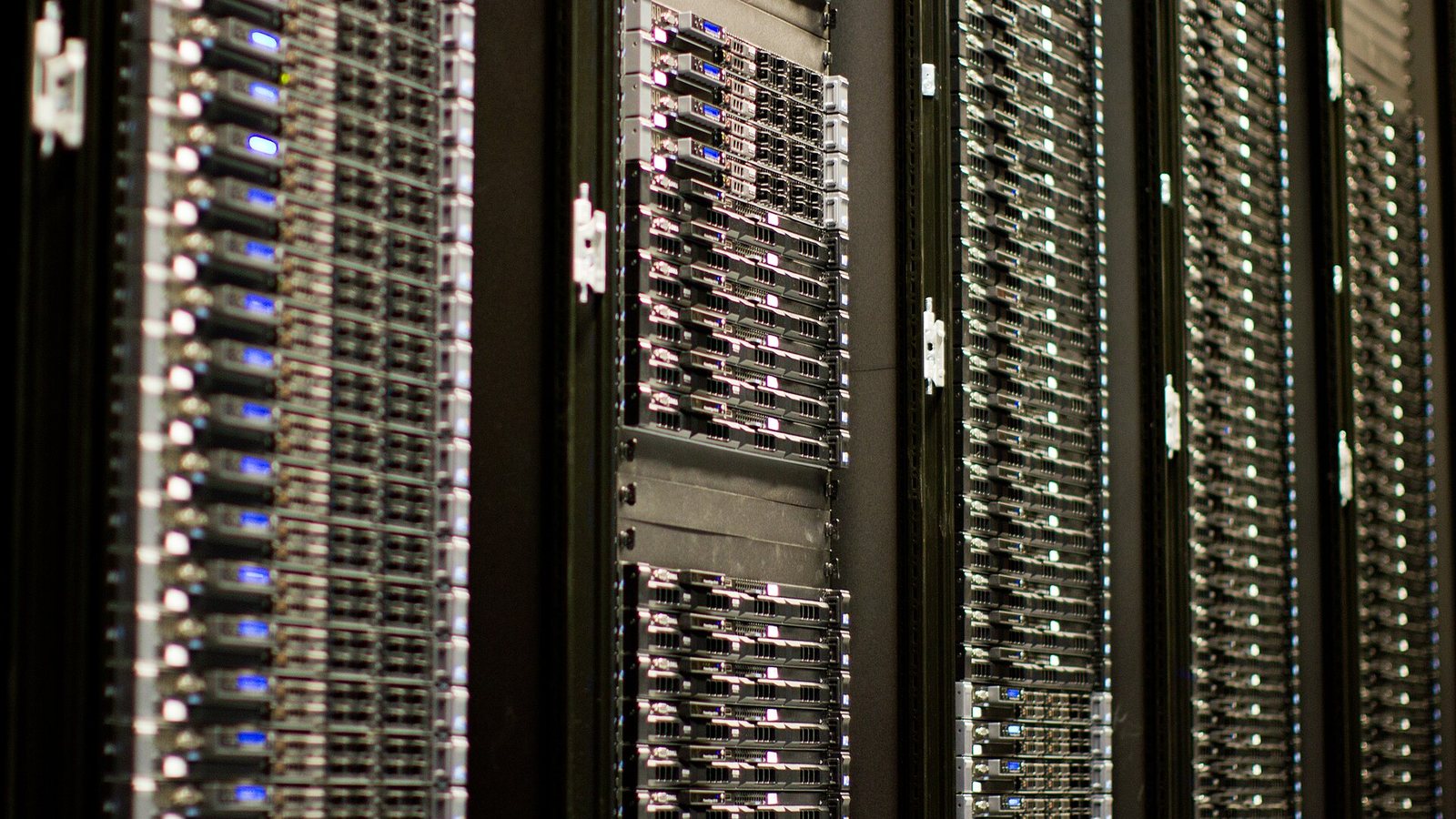

Why MFA can appear enabled yet fail to enforce the intended boundary
The vendor description is precise: a user with alternate valid credentials may bypass SAML authentication controls, with possible bypass of MFA enforced through SAML. An identity-provider policy is therefore not enough evidence that every path accepted by the VPN is governed by that policy. The distinction is enforcement at the service, not whether a company purchased an MFA product or checked a setting in its identity dashboard.
Do not turn this into “anyone can log in with no credentials.” The advisory’s prose explicitly states the alternate-credentials condition. Do not turn it into a remote-code-execution claim either. The same advisory covers seven CVEs, including separate management-interface and denial-of-service problems; their impacts and severity labels must not be transferred to CVE-2026-19868.
Affected and fixed build matrix — verified from PSIRT
| Platform family listed by vendor | Affected SonicOS builds | Fixed builds |
|---|---|---|
| Gen7 hardware and NSv platforms listed in SNWLID-2026-0014 | 7.3.3-7015 and older | 7.3.4-7013 and higher |
| Gen8 hardware and NSv platforms listed in SNWLID-2026-0014 | 8.2.2-8015 and older | 8.2.3-8015 and higher |
Source: SonicWall PSIRT affected-products and fixed-software tables. Gen7 coverage includes listed TZ, NSa, NSsp and NSv models; Gen8 includes listed TZ, NSa and NSv models. This is not permission to load an image for a different generation or assume every historical appliance supports the same branch. Check the exact model, supported firmware path and vendor release instructions before a maintenance window.
What CISA actually confirms
We downloaded the official KEV JSON and matched the exact cveID rather than relying on a search headline. The entry identifies SonicOS SSLVPN and the single-factor-authentication weakness, repeats the alternate-credentials/SAML impact, and gives dateAdded 6 November and dueDate 20 November. Its known-ransomware-use field is “Unknown.” KEV inclusion is evidence of known exploitation; it does not disclose the number of victims, actor identity or a campaign against Gulf or Egyptian organizations.
The KEV deadline must not be presented as a universal law for every private company or a local Gulf/Egypt mandate. The entry directs covered stakeholders to vendor guidance and CISA’s risk-based security-update framework. Local teams should use the exploitation evidence for prioritization while their own legal and compliance owners determine applicable obligations. We do not invent a local reporting deadline or victim count.
Weekend runbook for Gulf and Egypt IT teams
- Inventory internet-facing SonicOS appliances, virtual NSv instances, branch firewalls and MSP-managed customer assets. Record model, serial identifier internally, exact build, exposure and owner; keep this inventory out of public tickets.
- For each SSLVPN service, verify whether SAML is enabled for SSLVPN logins, not merely whether SAML exists somewhere in the organization. Identify alternate authentication paths accepted by the service without testing a bypass against production.
- Prioritize exposed matching systems for the correct supported fixed build. Back up configuration securely, arrange out-of-band access and document a rollback plan before changing remote-access equipment.
- Preserve available VPN, firewall and identity-provider logs before rotation or reboot. Review session creation against expected identity events and investigate unexplained access; a missing IdP event is a lead, not proof by itself.
- After the update, verify the running build rather than relying on the upload success message. Test approved login paths with a controlled account and confirm SAML/MFA policy, group permissions and session behavior.
- Review stale local and directory accounts, least-privilege access and remote administrative exposure. These are complementary hardening measures, not substitutes for the vendor fix.
- If signs of compromise appear, involve incident responders before destructive cleanup. Patching is not a forensic conclusion and restoring an old configuration can reintroduce unwanted access.
For a branch in Dubai, a support desk in Riyadh and an outsourced operations team in Cairo, the practical risk is an asset with no clear maintenance owner. Assign a single change coordinator, a customer-notification owner and someone who can recover connectivity if the VPN fails. Stagger maintenance where business continuity requires it, but do not use the weekend as a reason to ignore known exploitation.
MSP communication template: accurate without alarmism
“We are reviewing SonicOS SSLVPN assets against CVE-2026-19868. Applicability depends on model, build and SAML use for SSLVPN. We will confirm your asset status and approved update window through our existing support channel. We will not request passwords, MFA codes or firewall configuration files through an unsolicited message.” This is an editorial template for internal adaptation, not a message sent to any customer.
Frequently asked questions
Is CVE-2026-19868 real and actually in CISA KEV?
Yes. We retrieved the official CISA KEV JSON and SonicWall’s public PSIRT advisory data, not just a news summary. The exact CVE was added on 6 November 2026 with a catalog due date of 20 November.
What conditions are required?
SonicWall says this vulnerability affects the SonicOS SSLVPN interface or service only when SAML is enabled for SSLVPN logins. Its description requires valid credentials for an alternate authentication method.
Is this unauthenticated remote code execution?
No such impact is established for this CVE by the advisory. It describes bypass of SAML controls and potentially SAML-enforced MFA. Other issues in the same advisory have different preconditions and impacts; do not merge them.
Which versions are affected and fixed?
For the Gen7 platforms listed by PSIRT, 7.3.3-7015 and older are affected and 7.3.4-7013 and higher are fixed. For listed Gen8 platforms, 8.2.2-8015 and older are affected and 8.2.3-8015 and higher are fixed. Follow the supported upgrade path for the exact appliance.
Can I use a workaround instead of patching?
PSIRT lists no workaround. Temporary exposure restrictions are an organization’s risk decision, not a vendor-certified repair for the flaw. Obtain and install the appropriate supported fixed release.
Does the 20 November deadline legally apply to every Gulf or Egyptian company?
The date is a CISA KEV catalog deadline, not a universal local legal deadline. Organizations must assess their own contractual and regulatory obligations. Exploitation evidence makes prompt risk-based action prudent regardless of jurisdiction.
Does patching prove the firewall was never compromised?
No. A fixed build addresses the vulnerability but cannot by itself determine prior activity. Preserve logs and review unexplained sessions with incident-response personnel; avoid wiping evidence when compromise is suspected.
Primary sources
The advisory page uses public client-side rendering; we verified its publicly served advisory data as well as the official CVE and KEV records. No appliance was scanned, accessed or tested. Previous SMA-product incidents are not evidence of this flaw affecting a different product family.
Related reading
- Brotli Vulnerability CVE-2026-111497 (Node2Shell): Node.js, .NET and Python Patch Checklist for Gulf and Egypt Teams
- WordPress 7.1.4 Security Release: 22 Vulnerabilities Fixed, the Upgrade-Window RCE, and the Update Checklist for Gulf and Egypt Sites
- Linux Kernel Vulnerability CVE-2026-98432: Ubuntu Still Has No Fix, What Is Patched, and How Gulf and Egypt Server Teams Should Mitigate Now
- PHP Vulnerability 2026 (php2shell): It Is a PHP Update, Not a WordPress Update — Patch Checklist for WordPress and Laravel Sites in the Gulf and Egypt
- Android TV Box Malware: Google Takes Down the XCPE Botnet in 1.3 Million Boxes. Is Your Box or IPTV Receiver Infected? A Check-and-Replace Guide for Egypt, Iraq, the Gulf and Palestine